
Alright, let’s talk about something we all dread a little: the end of the season. That last RV trip where the nights start getting chilly, or that final motorcycle ride before the salt trucks come out. It’s a bummer, but it’s also one of the most important times for us owners.
Because here’s the truth bomb: how you store your rig or your bike over the winter is what determines whether you have a glorious, stress-free first trip next spring, or whether you’re dealing with a massive, expensive headache.
I’ve made the mistakes, so you don’t have to. I’ve had the dead battery, the mouse-nest-in-the-air-filter surprise, the sticky carburetor from bad gas. It’s the worst. So, let’s walk through this together, not like a robot manual, but like two friends in the garage.
Tucking Your RV in for a Long Winter’s Nap
Think of your RV as two things in one: a vehicle that needs mechanical love, and a tiny home that needs to be sealed up tight.
First up, the mechanical stuff. This is what keeps your wallet happy
- The Great Fuel Debate: You’ll hear different opinions, but here’s what’s worked for me. I fill the tank all the way up. Why? A full tank means less empty space for air, and air means condensation. Water in your gas is bad news. Then, I pour in a good-quality fuel stabilizer. The key is to then drive it for a solid 10-15 minutes to get that treated gas all the way through the fuel system. This keeps the gas from turning into varnish and clogging everything up.
- Oil Change, Now, Not Later: This one seems backward, but trust me. Get the oil changed right before you store it. Old oil has contaminants and acids that you don’t want sitting in your engine all winter. Fresh oil is clean and protective.
- Battery Buddy System: This is the #1 reason for a springtime “no-start.” A battery slowly dies if it’s just connected, sitting there. The easiest fix? Just disconnect the negative terminal. For even better health, take the battery out, bring it inside, and hook it up to a trickle charger once a month. It’s a five-minute job that saves you a couple of hundred bucks.
- Show Your Tires Some Love: Inflate them to the max pressure on the sidewall. This helps prevent flat spots from the weight sitting in one spot for months. If you’re really dedicated, you can move the rig forward or back a foot every month to shift the pressure point.
Tiny Home part: Making it a fortress against critters and mold
- Clean Like You Mean It: I’m not talking about a quick tidy. I mean, get the crumbs out of the toaster, wipe down every surface, and leave the fridge spotless and propped open. A single chip crumb is a Thanksgiving feast for a mouse.
- The Great Water Purge: If you live where it freezes, this is non-negotiable. You need to drain every single drop of water from the freshwater tank, the water heater, and the pipes. I then pour a little bit of RV antifreeze (the pink stuff) down the drains to protect the traps. It’s cheap insurance against a cracked pipe that could cost thousands.
- Declare War on Pests: Mice can squeeze through a hole the size of a pencil. Go on a mission around your RV and look for any gaps. I stuff steel wool into any openings (they hate chewing on it), and I’m a big fan of putting dryer sheets in the cabinets and under the sink. Seems weird, but it works as a deterrent.
Your Motorcycle: A More Delicate Beast
Your bike might be simpler, but it’s also more sensitive. Neglect hurts faster.
- The Holy Trinity: Clean, Lube, Stabilize. Give it a proper bath and a good wax. A clean bike is a happy bike. Then, lube the chain like it’s going to sleep for a year—because it is. Then, just like the RV, fuel stabilizer in a full tank is your best friend.
- Get the Tires Off the Ground: If you can, a simple rear stand (and a front stand if you have one) is the absolute best thing you can do for your tires. No weight on them means no chance of flat spots. If you can’t, just make sure they are pumped up to the correct pressure.
- Battery, Again! This is even more critical for a bike. That little battery doesn’t have much capacity. Disconnect it, or better yet, take it out and keep it on a tender in your basement or garage. You’ll thank me in the spring.
So, Where Do You Put All This Perfectly Prepped Gear?
This is the real question. Your driveway? Sure, it’s free. But your RV or bike is sitting there, baking in the sun, getting pelted by hail, buried in snow, and basically advertising itself to anyone with sticky fingers. A tarp helps, but it can also trap moisture and scratch your paint.
This is the part where I tell you what we did that finally gave us peace of mind. After one too many winters of worrying, we moved our RV and my bike into a dedicated storage facility. And honestly, it was a game-changer.
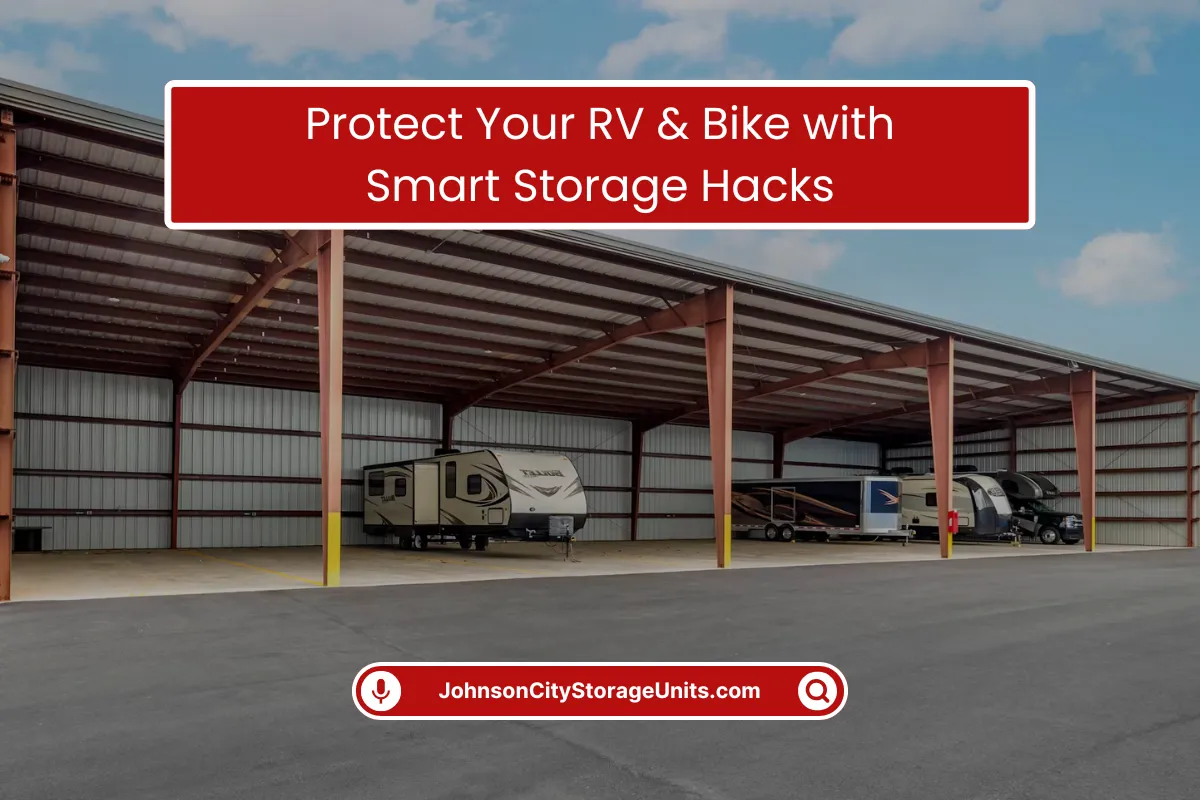
We use a place that’s not just a random lot. It’s secure, with real gates and cameras. For the bike, I have a small, enclosed unit—it’s like a little garage for it, safe from dust, temperature swings, and any chance of weather damage. The RV is in a covered, outdoor spot that protects it from the worst of the sun and snow.
Knowing they’re safe and secure takes a huge weight off my shoulders. I did the mechanical work to protect them from themselves, and choosing the right storage spot protects them from everything else. It means that when that first warm weekend hits, I’m not fixing things; I’m loading up and heading out.
That’s the goal, right? A little bit of work now for a whole lot of fun later. Do the prep, find a good home for them, and you can actually enjoy the off-season.
If you’re looking for that kind of peace of mind, we’d be happy to show you the options we have. It made all the difference for us. Now, go enjoy that last ride of the season. You’ve earned it.








0 Comments